Tunisians weighing study in Canada for the 2027 intake, or a job with a Canadian employer. Federal rules come from IRCC (Immigration, Refugees and Citizenship Canada); Québec and the other provinces add their own steps. Opporiva is free and never applies on your behalf, so always recheck the official pages when you apply.
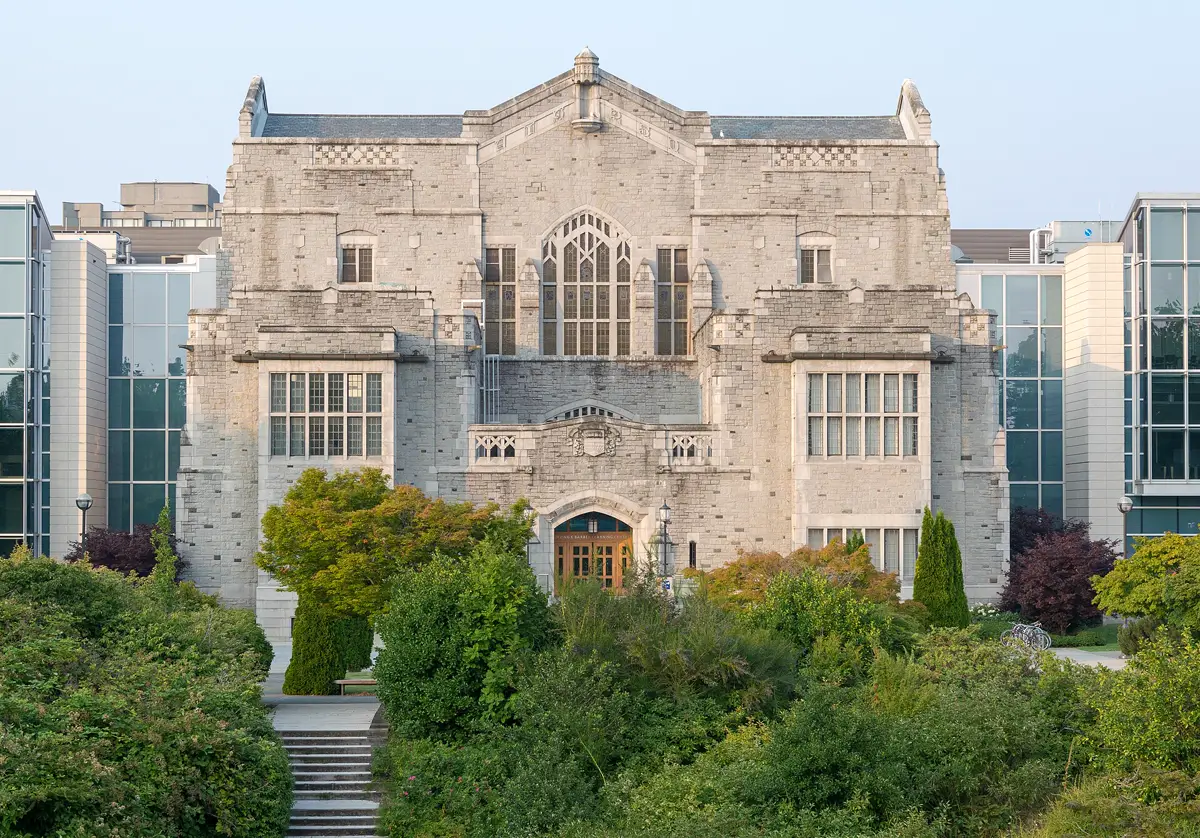
Irving K. Barber Learning Centre, University of British Columbia, Vancouver
You first need a letter of acceptance from a designated learning institution (DLI); for post-secondary study the school must validate it with IRCC. Outside Québec a provincial or territorial attestation letter (PAL/TAL) is usually required; since 1 January 2026, master's and doctoral students at a public DLI are exempt. A PAL only works in the cap year it was issued (unless an earlier date is shown, 2026 letters expire on 31 December 2026); 2027 rules are to be confirmed. The permit fee is CAD 150. Tuition is set by each institution. Scholarship: Study in Canada Scholarships (2026-2027 cycle, CAD 10,200 for 4 months or CAD 14,000 for 5 to 6 months at graduate level) name Tunisia, but Canadian institutions apply, not students.
Work: while studying, after graduation, with an employer
A full-time student whose permit allows it may work off campus up to 24 hours a week during terms and unlimited hours in scheduled breaks, with a Social Insurance Number. After graduation, the post-graduation work permit (PGWP) needs a programme of at least 8 months and a language level (CLB/NCLC 7 for a university degree, 5 for college); apply within 180 days. Outside study routes, an employer-specific permit needs a job offer. Tunisia is not an International Experience Canada partner country.
Tunisian citizens need a visitor visa to enter Canada; when a first study or work permit is approved, the visa is issued automatically. Biometrics (fingerprints and photo) cost CAD 85 per person, or at most CAD 170 for a family applying together. In Tunis they are taken by appointment only at the Canada Visa Application Centre (VFS Global, run with IOM) in Les Berges du Lac 2. The Embassy of Canada (Cité des Pins, Tunis) points to IRCC online services for study and work visas.
In Québec the Québec Acceptance Certificate (CAQ) replaces the PAL. You apply online in Arrima after admission; the fee is CAD 135 for applications from 1 January 2026 (revised each 1 January, non-refundable). In 80% of cases a decision comes within 25 business days of a complete file. Tunisia is not among the territories that upload proof of funds in Arrima, so you show it to the Canadian visa office instead.
Outside Québec, for applications from 1 September 2026, IRCC asks for CAD 23,448 a year for a single applicant (CAD 29,192 for two), on top of tuition and travel. Applications from 1 January 2025 to 31 August 2026 used CAD 22,895. In Québec the 2026 threshold is CAD 24,617 a year for one person, plus tuition and transport. Accepted proof includes six months of bank statements, a GIC from a Canadian financial institution, a scholarship letter, a student loan or a sponsor letter. 2027 amounts are to be confirmed.
Documents from Tunisia and recognition of qualifications
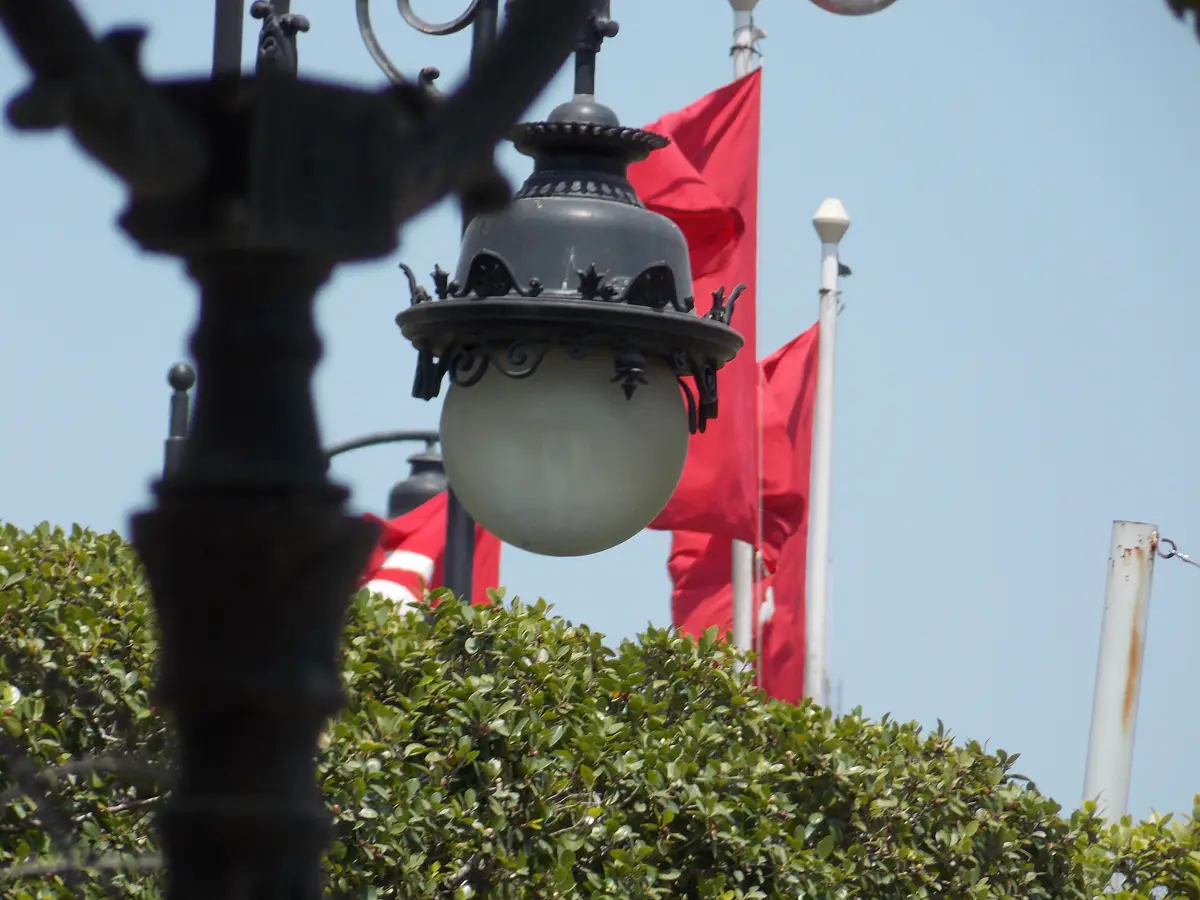
Avenue Habib-Bourguiba, Tunis
Any document in Arabic needs an English or French translation; a translator not certified in Canada adds an affidavit, and you or your family cannot do the translation. A police certificate may be requested: for Tunisia it is Bulletin no. 3 from the Ministry of the Interior (required for permanent residence). To have a Tunisian diploma assessed, CICIC (CMEC) points to credential assessment services and explains, profession by profession, how to get qualifications recognised.
Each institution chooses the English or French test it accepts for admission. For immigration, Express Entry accepts CELPIP-General, IELTS General Training and PTE Core in English and TEF Canada and TCF Canada in French, with results under 2 years old. French is a real asset, especially in Québec.
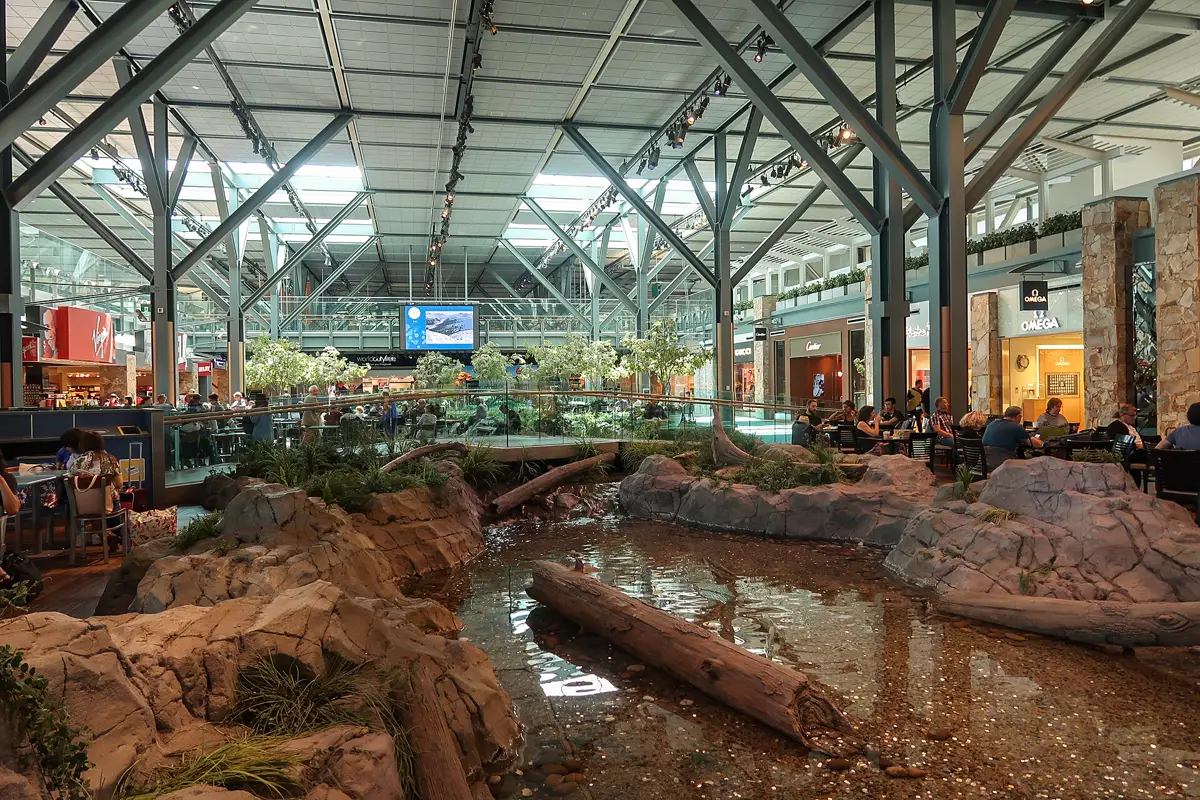
International terminal, Vancouver International Airport (YVR), Vancouver
At the port of entry, show your passport, the letter of introduction from the visa office (it carries the reference used to issue your permit), your letter of acceptance and proof of funds. Then apply for your Social Insurance Number, free, online or at a Service Canada Centre. Ask your school about health insurance, which depends on the province.
Immigration, Refugees and Citizenship Canada (IRCC) · Canada
Apprenticeship
Open to Tunisians
Deadline: 26 Feb 2027in 4 months
Frequently asked questions
Do Tunisians need a visa to study in Canada?
Yes. Tunisians need a visitor visa; it is issued automatically when a first study permit is approved.
How much money must I show?
Outside Québec, CAD 23,448 a year for one person for applications from 1 September 2026, plus tuition and travel. In Québec, CAD 24,617 (2026 threshold). 2027 amounts are to be confirmed.
Where do I give biometrics in Tunisia?
At the Canada Visa Application Centre in Tunis (VFS Global), by appointment. The IRCC fee is CAD 85 per person.
Can I work while studying?
Yes, if your permit allows it: up to 24 hours a week off campus during terms and unlimited hours in scheduled breaks.
Can Tunisians use International Experience Canada (working holiday)?
No. Tunisia is not on the official list of participating countries.